

April 9, 2026
Local journalism is in a strange moment. There are approximately 27,000 local journalists working across the United States, covering city halls, school boards, neighborhood businesses, and the flooding on specific streets. The platforms they rely on were built for global scale, follower counts, and algorithmic discovery. So far, none of them were built for the hyperlocal beat.
Today, we're taking a step toward changing that. On National Local News Day, Nextdoor is opening early access for Local Journalist Accounts. Journalists at established local news publications in the United States can sign up now at about.nextdoor.com/journalists. Think of this as a chance to get in early and help shape the program.
The timing is not coincidental. Today is the inaugural National Local News Day, a coordinated effort led by Montana Free Press, the American Journalism Project, Press Forward, and Rebuild Local News, with more than 1,000 newsrooms participating. The initiative exists because the problem it addresses is real: Americans say local journalism is essential, but the ecosystem sustaining it has been eroding for years. More than 3,000 local newsrooms have closed since 2005. The journalists who remain are covering more ground with fewer resources, on platforms that were never designed for a hyperlocal beat. Local News Day is the first national attempt to make that gap a mainstream conversation — and it felt like the right day to open this door.
The next chapter of Nextdoor News
This builds on a program that is already working. Since launching Nextdoor News as part of the New Nextdoor in July 2025, we have brought more than 4,000 local newsrooms onto the platform. Local news has become one of the top reasons people say they love Nextdoor.
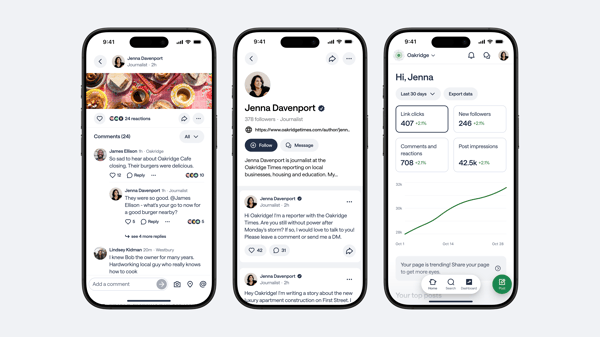
But publisher pages are brand accounts. They distribute news efficiently. What they cannot do is have a conversation. A neighbor reading the Dallas Morning News page sees a logo. They do not necessarily see the reporter who covered their neighborhood for a decade and knows their street by name. Journalist accounts change that — not by replacing publisher pages, but by adding a human layer to the newsrooms already on Nextdoor. They give individual reporters a verified, named presence on Nextdoor, tied to their byline, beat, and professional identity. Reporters can run polls, ask for recommendations, post vertical video, and respond directly to neighbors with tips or questions.
What journalists get in early access
Every verified journalist account includes:
- DMA-wide distribution from the first post. No follower threshold. No algorithm to satisfy. A reporter in Denver reaches verified neighbors across the entire Denver metro from day one.
- A verified journalist badge that signals to neighbors this is a credentialed reporter, not an anonymous publisher account.
- NEW in early access: Metro-Wide Search and Feed. Verified journalists can search neighborhood conversations across their entire metro in real time. Type "flooding in Englewood" or "school board vote in Oak Cliff" and find what verified neighbors are saying — before a story goes to print.
We're continuing to improve the onboarding experience and will be rolling out additional features through the year. Early access journalists will be the first to see what's next.
What the pilot showed
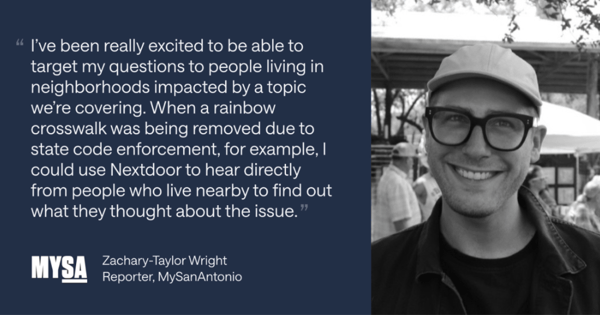
Zachary-Taylor Wright, a reporter with Hearst’s MySA in San Antonio, sourced more than 10 published stories from Nextdoor conversations in their first two months on the platform. Emily Holshouser of the Fort Worth Star-Telegram received so many story tips through the platform that she started a separate Google Doc to track them all.
Dan Boniface of the Denver Gazette said it plainly: "We generated around 200,000 impressions in the first couple of weeks of daily posting, and what was good about it was the certainty that the audience were actual people here in the area."
Early engagement data from Dallas shows journalist accounts generating genuine neighbor interest — metrics that are developing, and that support continuing to build out the program with journalists who want to help shape it from the start.
Why it matters now
News consumption on Nextdoor is up 10% over the last three years, the highest growth rate among major social platforms measured aside from TikTok and Instagram, according to Pew Research. Six percent of US adults already get news on Nextdoor.
Meanwhile, local journalists have fewer viable platforms. Twitter/X has become a less reliable tool for professional sourcing and engagement. Publisher brand pages do not capture a reporter's individual voice or build their credibility with readers.
Unlike platforms that have reduced news distribution in favor of algorithmic entertainment, Nextdoor's model is built around local relevance by design. Content on Nextdoor must be local — it is written into the platform's content policies and terms. When a journalist posts, their content is automatically geotagged and distributed to verified neighbors in their coverage area. For publishers, that means audiences come back to the publication's own site, protecting the revenue relationships that broke down when other sites changed their algorithms.
"The stories neighbors care about are already happening on Nextdoor," said Nick Lisher, Executive Vice President, Product, at Nextdoor. "Local journalists just did not have a verified seat at that table. Now they do."
How to sign up for early access
Starting today, journalists at established local news publications across all US DMAs can sign up for early access at nextdoor.com/journalists. Enrollment is rolling — we'll confirm your account as we review applications. Local journalism is most powerful when it reaches the right people. We're building toward that, and we'd love to have you with us from the start.
Tag(s):
Corporate announcements
More from the blog
View All Posts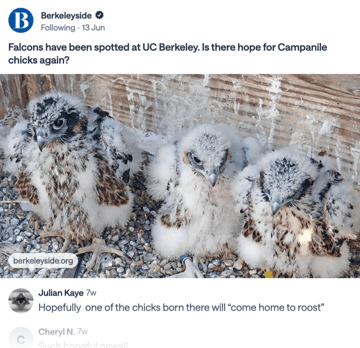
Case studies
5 min read
| August 15, 2025
Cityside brings local journalism directly to neighbors with Nextdoor
Read More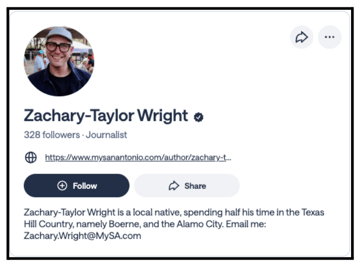
Case studies
18 min read
| April 8, 2026
Zachary-Taylor Wright Sources Hyperlocal Stories through Nextdoor’s Verified Local Journalist Account
Read More
Product news
21 min read
| June 30, 2020